
In an era where information is abundant but misinformation spreads rapidly, the traditional education model focused on rote memorization is becoming increasingly inadequate. The most valuable skill students can develop today isn't the ability to recall facts, but the capacity to think critically—to analyze, evaluate, and create meaningful solutions to complex problems. This shift from knowledge consumption to critical thinking represents the most important evolution in modern education.
Why Critical Thinking Matters Now More Than Ever
We live in a world of information overload. According to a McKinsey Education report, 65% of children entering primary school today will ultimately work in jobs that don't yet exist. This reality makes adaptable thinking skills more valuable than specific knowledge content.
Critical thinking provides students with:
- Information literacy: The ability to distinguish credible sources from misinformation
- Problem-solving frameworks: Structured approaches to tackling unfamiliar challenges
- Adaptive learning: Skills that transfer across disciplines and career changes
- Decision-making confidence: Reduced anxiety when facing complex choices
The Core Components of Critical Thinking
Critical thinking isn't a single skill but a collection of interconnected cognitive abilities. Understanding these components helps educators design better learning experiences and helps students develop self-awareness about their thinking processes.
As defined by the Wikipedia entry on critical thinking, these core components include:
- Analysis: Breaking down complex information into understandable parts
- Evaluation: Assessing the credibility and relevance of information
- Inference: Drawing logical conclusions from available evidence
- Explanation: Clearly articulating reasoning and conclusions
- Self-regulation: Monitoring and adjusting one's own thinking processes
Digital Tools That Foster Critical Thinking
When used intentionally, technology can dramatically enhance critical thinking development rather than replacing it. These tools encourage active engagement rather than passive consumption.

Effective Digital Tools:
- Collaborative platforms: Google Workspace or Microsoft Teams for group problem-solving
- Mind mapping software: Tools like MindMeister for visual organization of complex ideas
- Debate and discussion forums: Structured online platforms for argument development
- Simulation software: Virtual labs and scenario-based learning environments
- Fact-checking extensions: Browser tools that teach source evaluation skills
Classroom Strategies for Critical Thinking Development
Transforming traditional classrooms into critical thinking incubators requires deliberate pedagogical shifts. These strategies work across grade levels and subject areas.
- Socratic questioning: Replacing factual questions with "why" and "how" inquiries
- Case-based learning: Analyzing real-world scenarios with incomplete information
- Peer teaching: Students explaining concepts to classmates in their own words
- Metacognitive journals: Regular reflection on thinking processes and strategies
- Project-based learning: Extended investigations of complex, authentic problems
Assessing Critical Thinking Skills
Measuring critical thinking requires different approaches than traditional knowledge assessments. These methods focus on process rather than just final answers.
- Performance tasks: Complex problems requiring multiple solution steps
- Think-aloud protocols: Students verbalize their thinking process during problem-solving
- Portfolio assessments: Collections of work showing thinking development over time
- Peer assessments: Structured evaluation of classmates' reasoning processes
- Rubrics with process criteria: Scoring guides that emphasize reasoning quality
Critical Thinking Across the Curriculum
Critical thinking isn't confined to specific subjects—it should be integrated throughout all learning experiences. Here's how it manifests differently across disciplines:
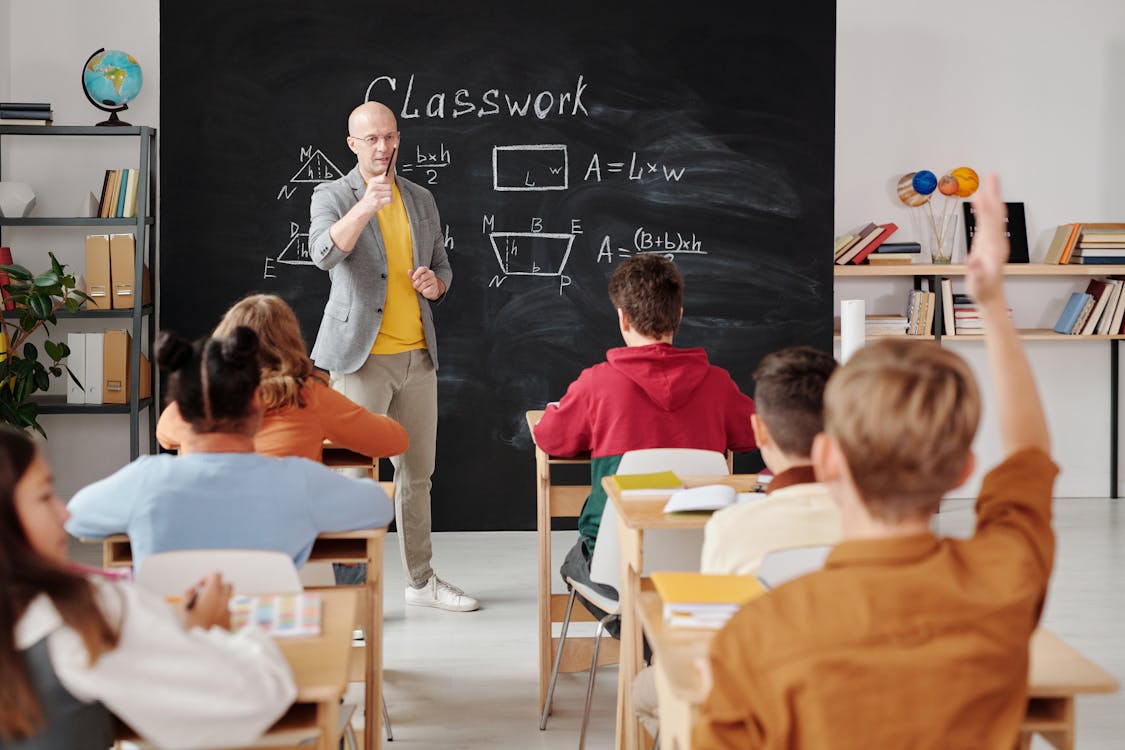
Subject-Specific Applications:
- STEM fields: Designing experiments, interpreting data, troubleshooting systems
- Humanities: Analyzing perspectives, evaluating arguments, interpreting texts
- Social sciences: Examining bias in sources, understanding complex systems
- Arts: Making creative choices, analyzing artistic techniques and impacts
Overcoming Barriers to Critical Thinking Education
Despite its importance, several significant barriers prevent widespread adoption of critical thinking approaches in education.
- Standardized testing pressure: Emphasis on right answers rather than reasoning processes
- Teacher preparation: Many educators weren't trained in critical thinking pedagogy
- Time constraints: Critical thinking development requires more time than memorization
- Cultural differences: Varying expectations about questioning and authority
- Resource limitations: Especially in underfunded educational systems
Review: Traditional vs. Critical Thinking Approaches
Understanding the fundamental differences between traditional education and critical thinking approaches helps educators make intentional instructional choices.
Traditional Education Characteristics:
- Emphasis on memorization and recall
- Teacher as knowledge transmitter
- Single correct answers
- Passive learning through listening and reading
- Assessment of content knowledge
Critical Thinking Education Characteristics:
- Emphasis on analysis and evaluation
- Teacher as thinking coach
- Multiple possible solutions
- Active learning through discussion and creation
- Assessment of reasoning process
The Edutopia critical thinking resources provide excellent examples of how this shift transforms classroom dynamics and learning outcomes.
Conclusion: Cultivating Thinkers, Not Just Knowers
The transition from memorization-based education to critical thinking development represents one of the most significant challenges—and opportunities—in modern pedagogy. This shift prepares students not just for tests, but for life in a complex, rapidly changing world where the ability to think clearly, evaluate information critically, and solve novel problems determines success far more than the ability to recall facts.
For educators, this means redesigning lessons, assessments, and classroom cultures. For students, it means embracing uncertainty and developing intellectual resilience. For society, it means creating citizens who can navigate complexity with wisdom and discernment.
The journey toward critical thinking education isn't easy, but it's essential. By prioritizing thinking skills alongside content knowledge, we prepare the next generation not just to inherit our world, but to improve it through their capacity for reasoned judgment and creative problem-solving.
Follow Us: For more updates, stories, and partner links — visit our official Facebook Page and explore Our Sister Sites.
No comments:
Post a Comment